

Why Lunchtimes Are Under Threat
Shorter, rushed lunch breaks. Two major investigations reveal growing concerns:
- The Lunchtime Listen surveyed over 11,000 primary and secondary pupils, finding only one-third feel they “always” have enough time to eat, and more than a quarter report typically insufficient time for lunch.
- In secondary schools, 14% of pupils experience lunch breaks under 30 minutes, disproportionately affecting less affluent schools.
- The UCL/Nuffield Breaktimes Study chronicles how lunch and break durations have steadily shrunk since the 1990s, sometimes reduced as a disciplinary tools or curtailed by supervision demands.
The consequences of these shorter and rushed breaks goes beyond hunger, impacting opportunities for movement, socialising and decompression. Lunchtimes are said to foster wellbeing, friendship and focus in ways that lessons cannot.
You can read more about the studies referenced and about lunchtime length and impact, here.
Design as a Solution
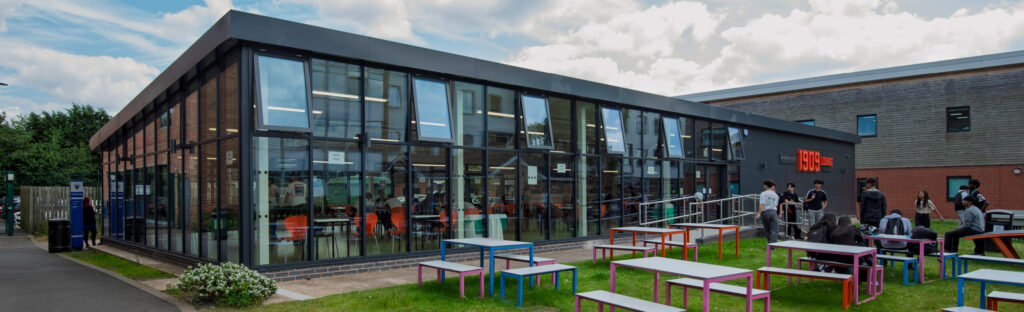
Extending the school day isn’t always a popular solution with only 37% of secondary pupils supporting the idea of longer lunches if it meant later school finishes. Instead, smarter use of the time and school environment is key.
Architectural Response:
- Canopies, walkways, tensile structures with Streetspace: Adaptable covered areas, whether open-air or enclosed, help schools to expand usable space quickly and flexibly, keeping pupils protected and mobile between internal and external areas.
- ZONE Glazed Extensions: These energy-efficient dining additions create bright, open spaces fully integrated into existing buildings. They offer extra capacity, better flow and high aesthetic impact at about two-thirds the cost of traditional builds.
- Seamless, efficient delivery: Our teams handle everything from planning to installation, minimising disruption and accelerating build timelines.
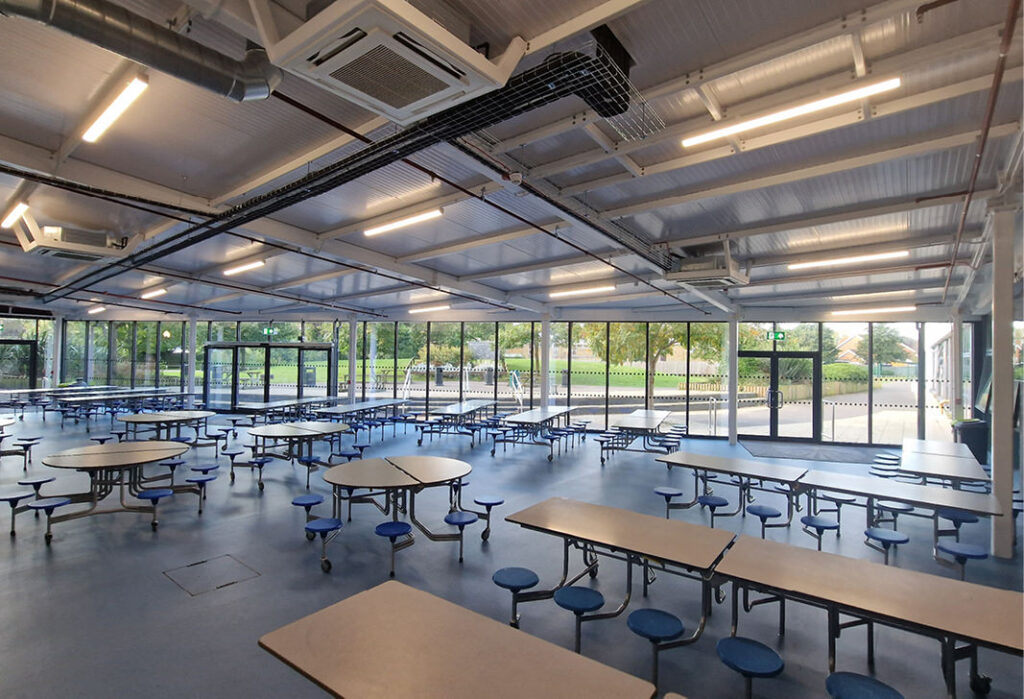
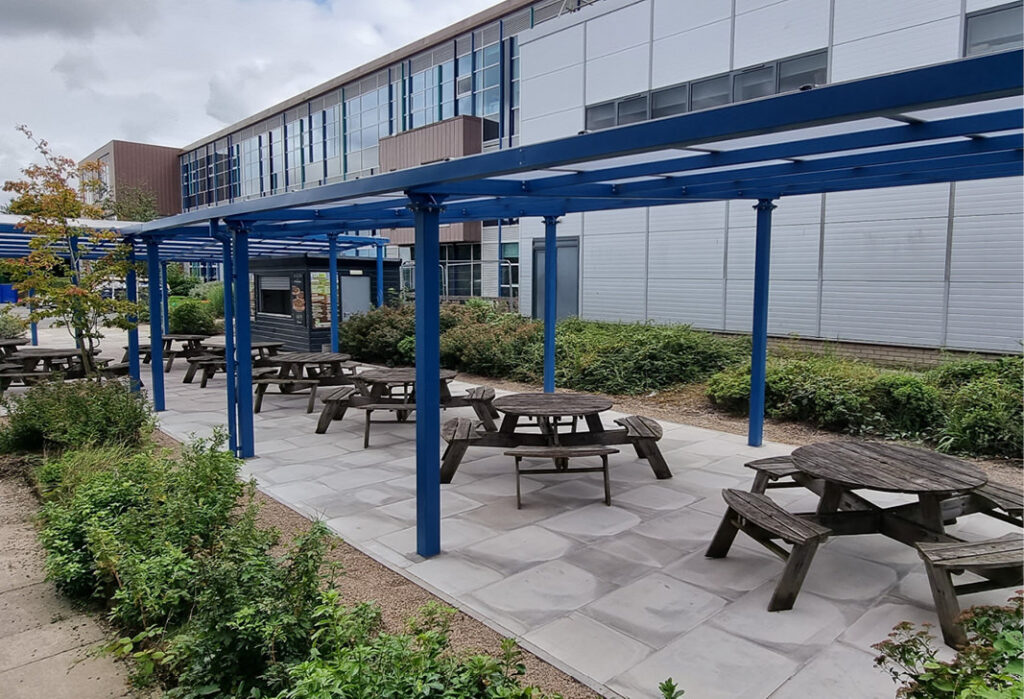
A powerful case in point: At The Regis School, overcrowding and bottlenecks were transformed into calm, efficient service. A fast-food-style, self-service dining model, enabled by thoughtfully designed space, allowed 1,600 pupils to eat in just 22 minutes. Lunchtimes were dramatically improved and behavioural incidents during lunchtimes were near eradicated.
Take a look at the rest of our case studies here. Find out about the other schools we’ve helped to transform their lunchtime offering.